The Eloquence of Nothing: How British Television Masters the Art of Silence
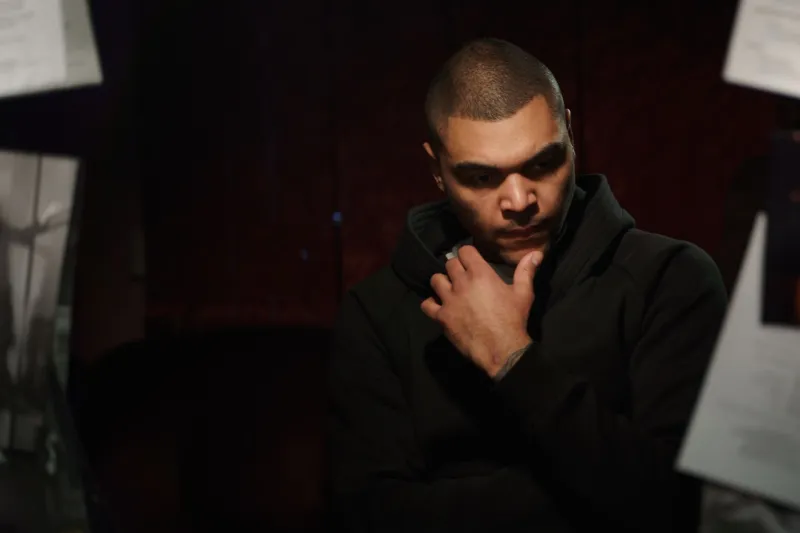
Consider a scene: a kitchen table, morning light, two people who have run out of things to say to one another. No score swells beneath the moment. No dialogue fills the gap. The camera does not cut away. The silence is held — five seconds, perhaps eight — until the weight of what is not being said becomes the entire emotional content of the scene. It is, in the vocabulary of contemporary British drama, a perfectly ordinary moment. In the vocabulary of global streaming content, it is almost radical.
Silence, in the current television landscape, is a scarce resource. The dominant logic of algorithm-driven commissioning favours retention over reflection — the fear of the viewer reaching for their phone is ever-present, and the instinct is to fill every available moment with incident, information, or music. Against this backdrop, the British tradition of restraint has emerged not merely as an aesthetic preference but as something approaching a genuine competitive distinction.
A Tradition with Deep Roots
British television's relationship with silence is not new. It runs through the work of Dennis Potter, through the long, contemplative rhythms of Alan Clarke's films, through the particular stillness that characterised so much of the BBC's single drama output in the 1970s and 1980s. What is new is the context in which that tradition is now operating — and the degree to which contemporary practitioners are making conscious, considered choices to preserve it.
Editors working on recent British drama describe a recurring tension in post-production: the instinct, often encouraged by nervous broadcasters, to tighten scenes that feel slow, to add music beneath moments of silence, to provide audiences with emotional signposting that the image itself is not supplying. Resisting that pressure, they say, has become one of the more significant creative battles of the current era.
One senior editor, who has worked across multiple acclaimed British dramas in recent years, describes the process as one of active protection. "The silence is always the first thing to go when people get anxious," she explains. "You have to fight for it, explain why it's there, demonstrate what it's doing. It's not nothing. It's doing more work than almost anything else in the scene."
The Director's Instrument
For directors, the use of negative space in television has become an increasingly deliberate formal choice rather than simply a byproduct of naturalistic performance. The long take — once primarily associated with art cinema — has found a comfortable home in prestige British drama, used not for self-conscious stylistic effect but as a means of allowing performances to breathe and audiences to arrive at their own emotional conclusions.
The distinction between silence as a passive absence and silence as an active presence is one that the best British television directors understand instinctively. A pause before a character answers a question is not dead air. It is information — about power, about evasion, about the gap between what is felt and what can be expressed. Filling that pause with music, or cutting away from it, destroys precisely the thing that makes it meaningful.
Producers working with directors who favour this approach note that it requires a particular kind of trust to be established early in production. Actors must feel secure enough to sustain stillness without the safety net of constant movement or dialogue. Camera operators must resist the reflex to reframe. The entire crew must understand that holding a moment is not an error to be corrected in editing.
Sound Design as the Architecture of Quiet
Paradoxically, some of the most sophisticated uses of silence in British television involve considerable complexity at the level of sound design. Silence is rarely truly silent — it is composed of ambient texture, of room tone, of the barely audible sounds that establish a space as real and inhabited. The skill lies in constructing a sonic environment that feels genuinely quiet without feeling empty.
Sound designers working in British drama describe a growing appetite among directors and editors for what might be called textured restraint: a soundscape that supports silence without undermining it, that uses the natural acoustics of a location to carry emotional weight rather than imposing artificial atmosphere through scoring. The result, when achieved, is a form of immersion that music-heavy productions rarely accomplish — the sense that the viewer is genuinely present in the space, rather than being guided through it.
The Global Context
It would be an overstatement to claim that silence is uniquely British. Scandinavian drama has long employed similar principles, and certain strands of American prestige television have demonstrated comparable restraint. But there is a particular cultural permission in British storytelling — rooted in theatrical tradition, in literary understatement, in a long-standing suspicion of emotional excess — that makes this approach feel native rather than imported.
For international audiences increasingly fatigued by the maximalist tendencies of global streaming content, that permission is proving attractive. British drama that trusts its viewers to sit with discomfort, to interpret ambiguity, to find meaning in what is withheld, offers something that no algorithm can easily optimise for. It offers, in short, the experience of being respected.
In an industry often tempted to pursue the loudest possible version of itself, that may prove to be the quietest kind of competitive advantage.